Oluwatobi Ololade

Designing Clarity into the Complex World of Freight Logistics

Research

Understanding the Problem

In 2020, I joined a small startup as the sole designer. The company’s mission was ambitious: to digitize the freight logistics and haulage industry. Traditionally, the process of shipping goods across borders or within countries was highly manual, fragmented, and frustrating for business owners.

During my first few weeks, I conducted user interviews with merchants and business owners who regularly moved goods. They shared stories of how time-consuming and expensive the process was, mainly due to multiple middlemen, lack of transparency, and hidden costs.

Who Are Our Users?

Our primary users were small and medium-sized business owners involved in importing and exporting goods. They relied on freight forwarding companies but struggled with inefficiency and uncertainty in the process.

Insights from User Interviews

  • Merchants wanted clarity on shipping costs upfront.
  • They needed real-time visibility on shipment location.
  • They wanted fewer touchpoints to avoid delays and miscommunication.
  • Reliable customer support was non-negotiable.

Breakdown of the Problem

The existing freight process involved several steps that lacked transparency and created delays. Merchants had to deal with agents, brokers, customs officers, and transport providers each step introducing cost and risk.

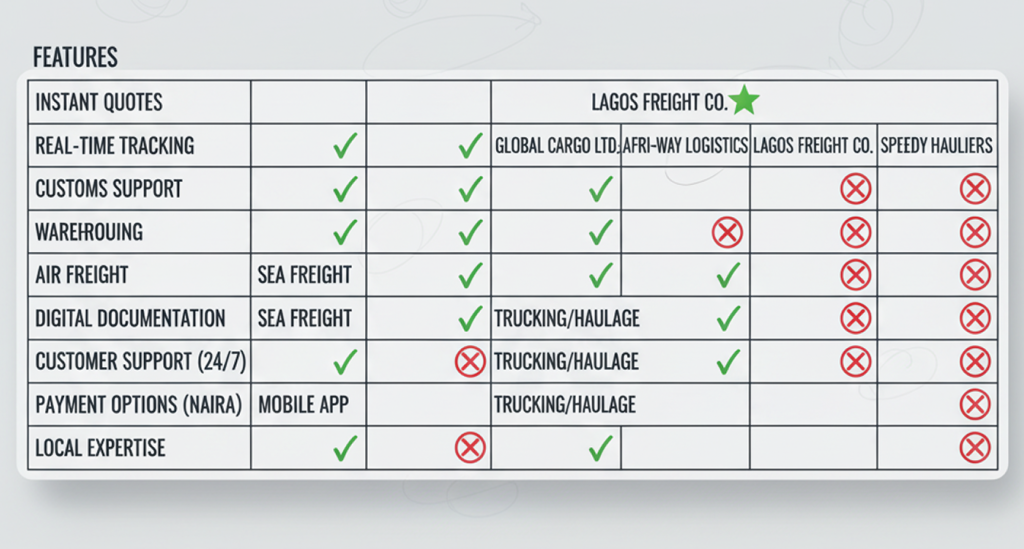
How Were Others Doing It?

Through desk research, I studied competitors and adjacent platforms in logistics. While some platforms offered tracking or quoting services, most failed to combine the full experience into a seamless end-to-end digital solution.

Market Analysis

The logistics industry was growing rapidly, and digital solutions were just beginning to emerge. This was a window of opportunity to create a product that not only digitized processes but also built trust and efficiency for merchants.

Process

Possible Solutions

From our research, we drafted a long list of potential features: shipment tracking, automated invoicing, quoting systems, order management, onboarding flows, and more.

Prioritizing the MVP

We couldn’t launch everything at once. To avoid scope creep, we prioritized features based on user needs and technical feasibility.

Effort–Impact Matrix

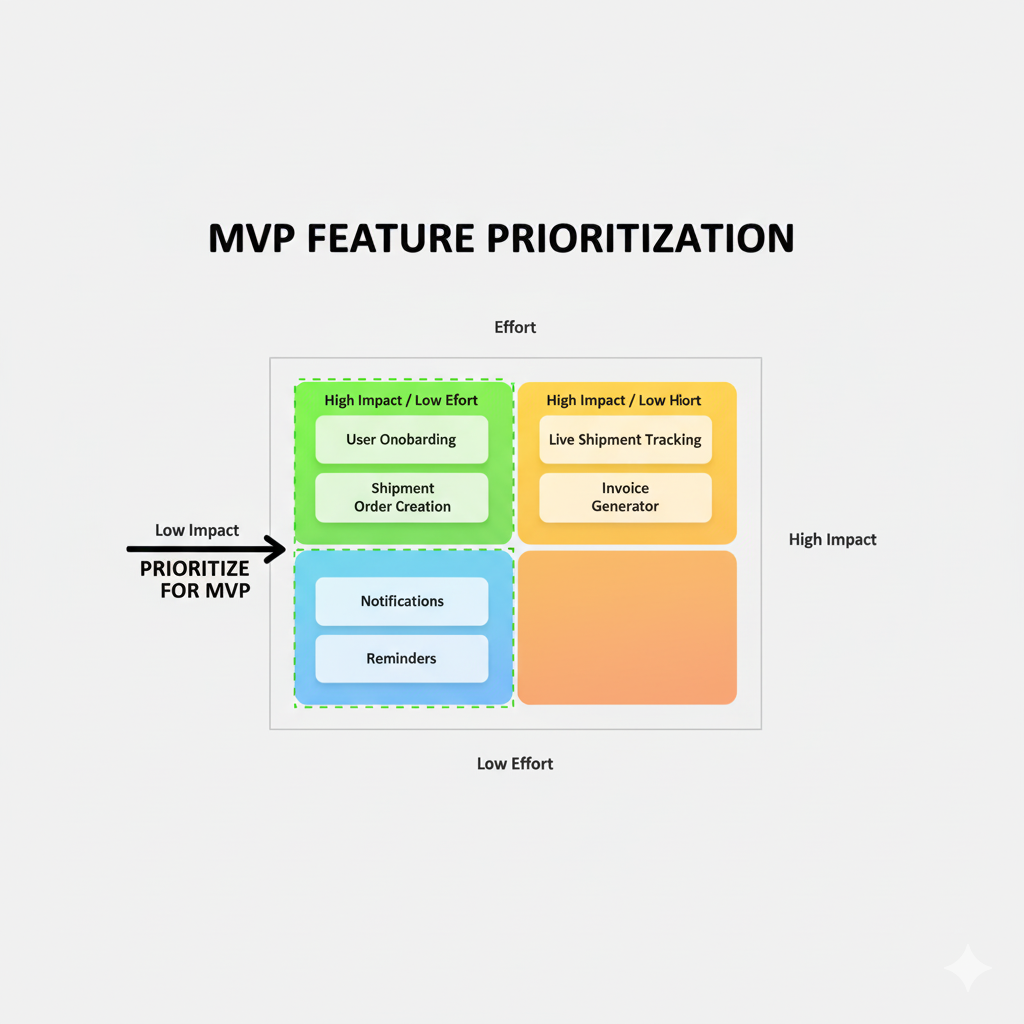
We used an Effort–Impact matrix to align the team on which features to include in the MVP.

  • High Impact, Low Effort: User onboarding, shipment order creation.
  • High Impact, High Effort: Live shipment tracking, invoice generator.
  • Low Impact, Low Effort: Notifications, reminders

The User Journey

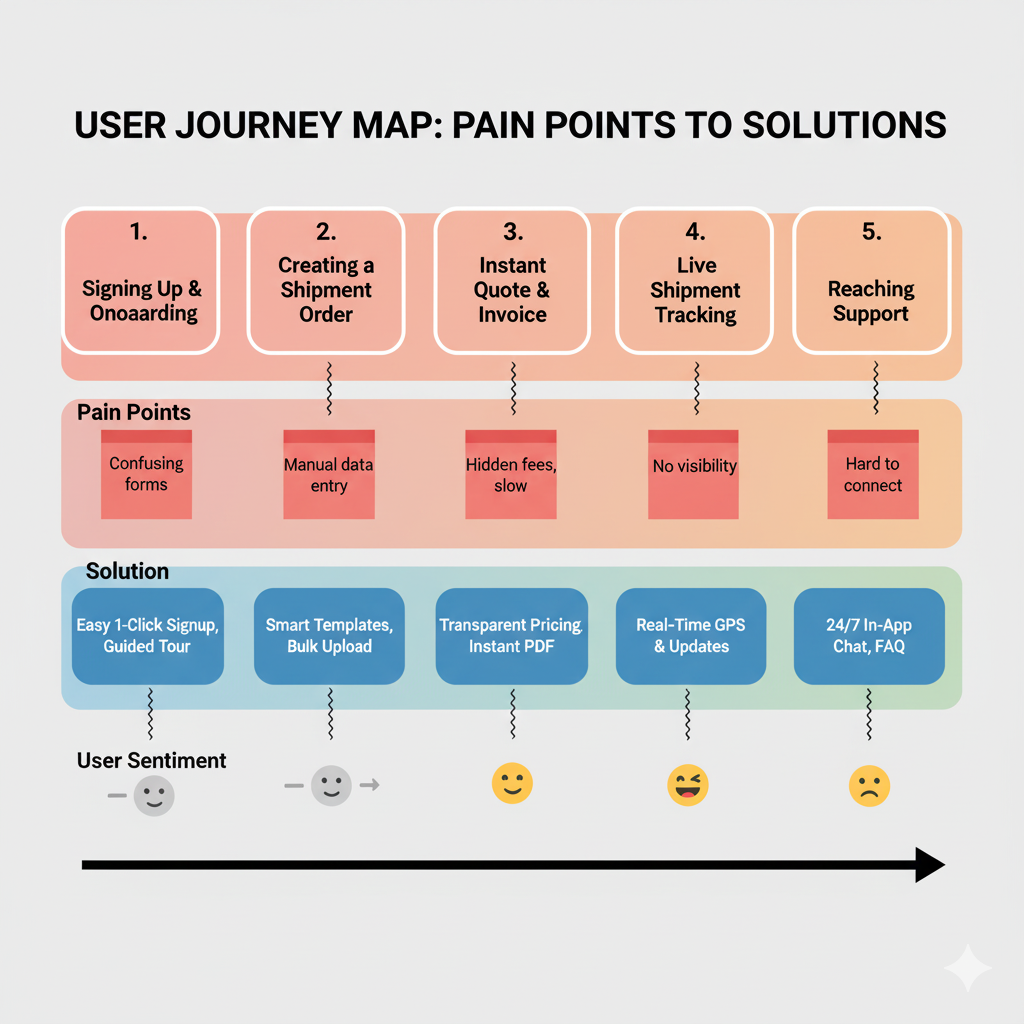
I mapped out the journey for a typical merchant:

  1. Signing up and onboarding.
  2. Creating a shipment order.
  3. Getting an instant quote/invoice.
  4. Tracking the shipment live.
  5. Reaching support when needed.

Design

Final Outcome

I designed the initial version of the platform focusing on simplicity and trust.

During my first few weeks, I conducted user interviews with merchants and business owners who regularly moved goods. They shared stories of how time-consuming and expensive the process was, mainly due to multiple middlemen, lack of transparency, and hidden costs.
High Fidelity Mockups

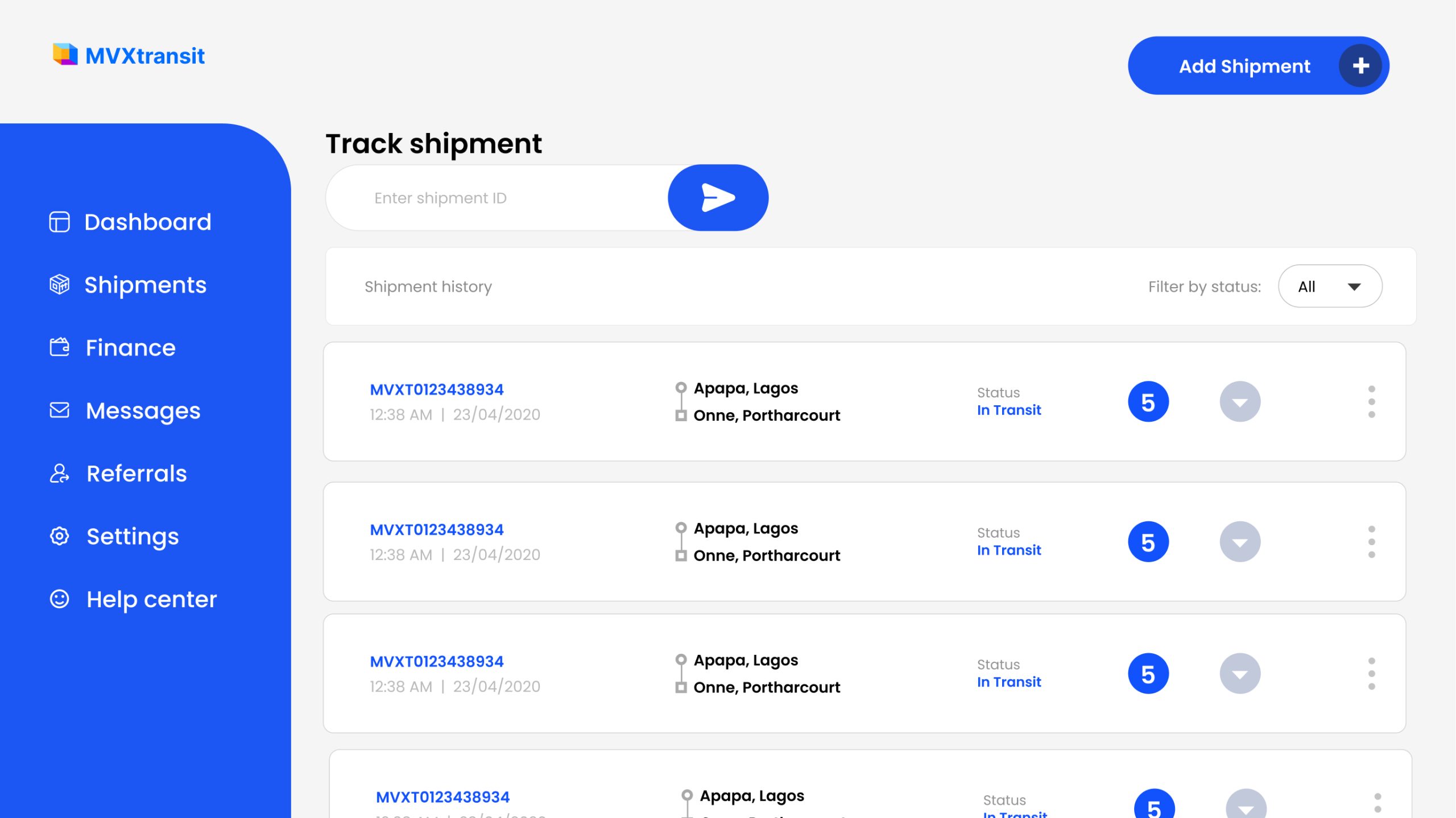
  1. Dashboard: A clean overview of active shipments.
  2. Onboarding Flow: Easy setup for first-time users.
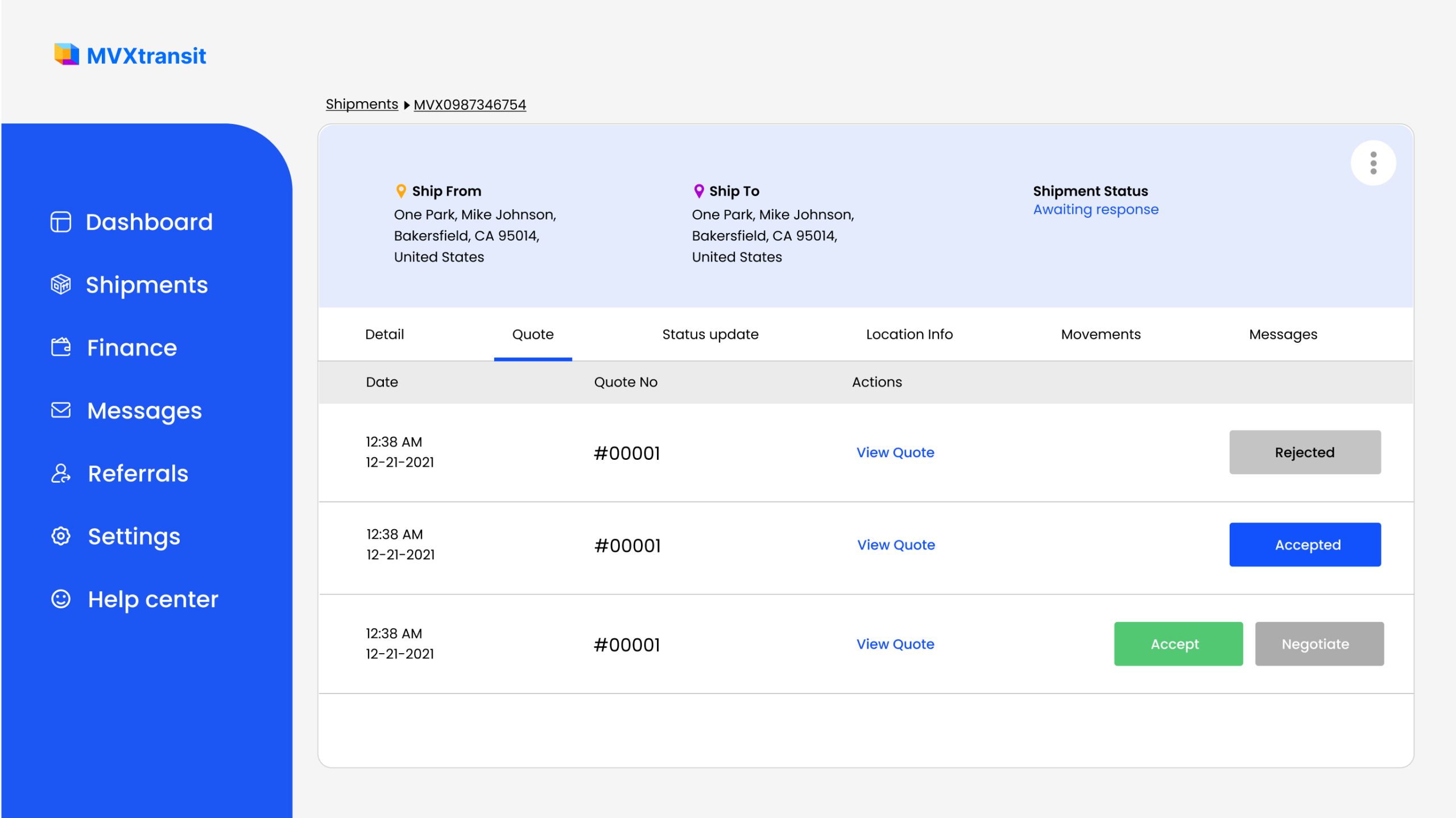
  3. Order and Quote Generator: Merchants could create and review shipping quotes instantly.
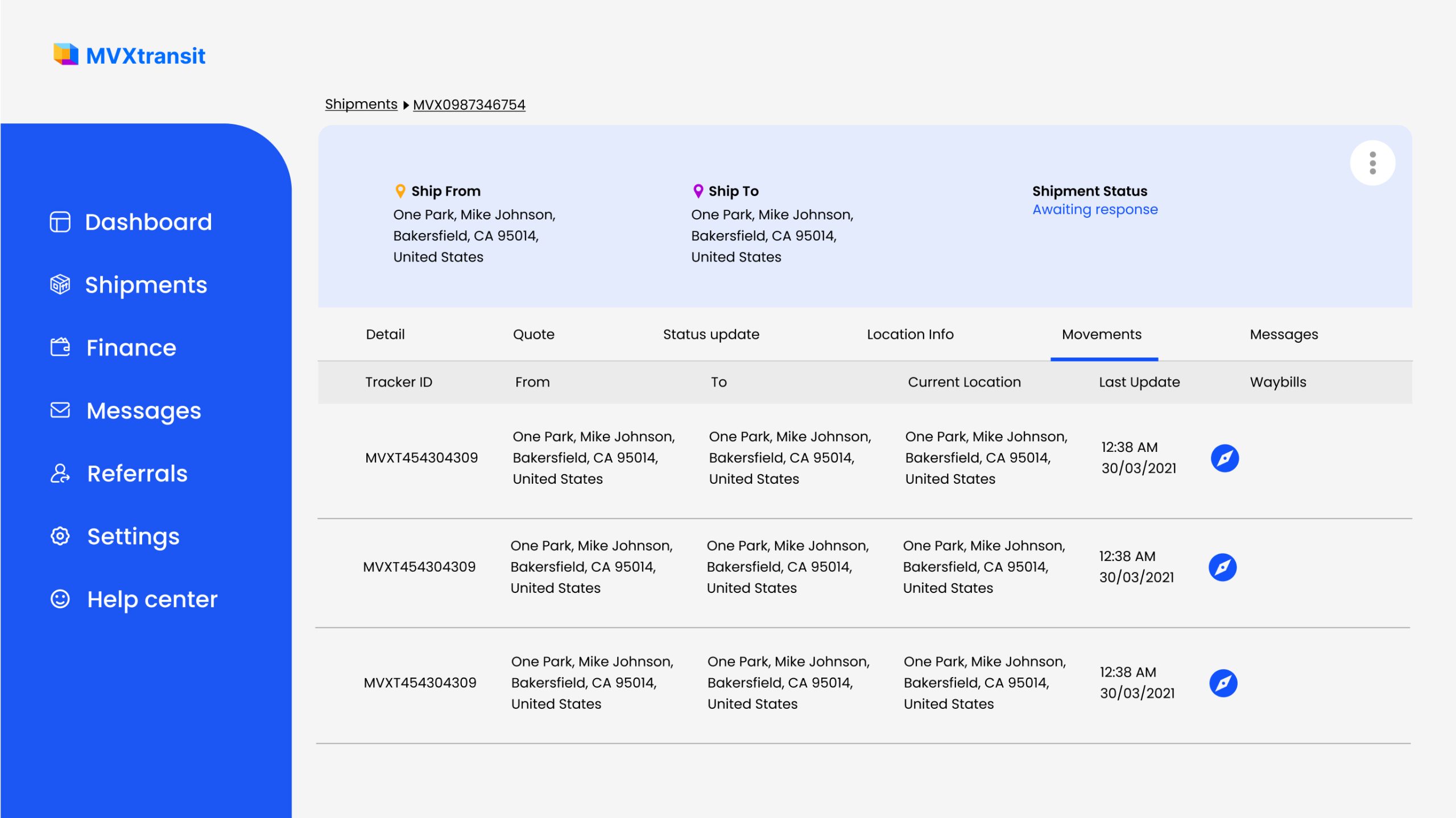
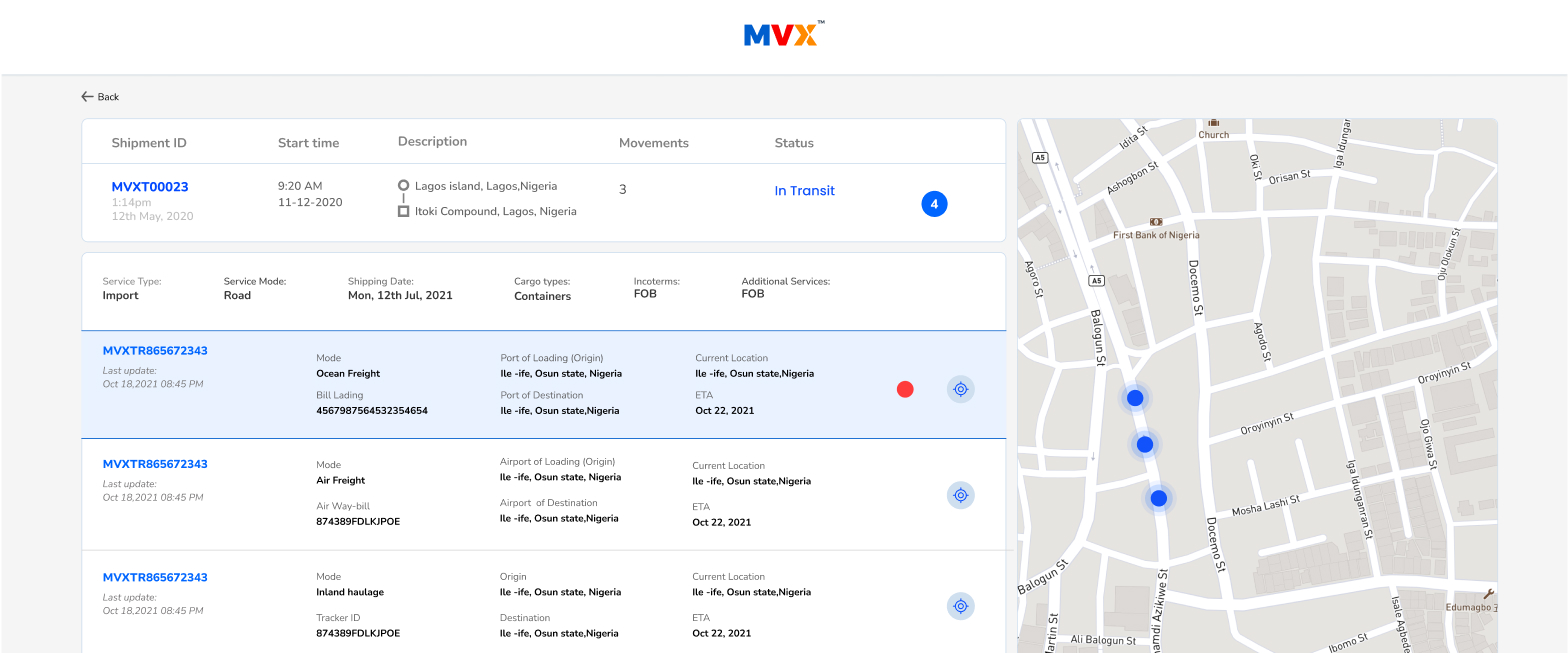
  4. Live Tracking: A map view showing shipment location in real-time.
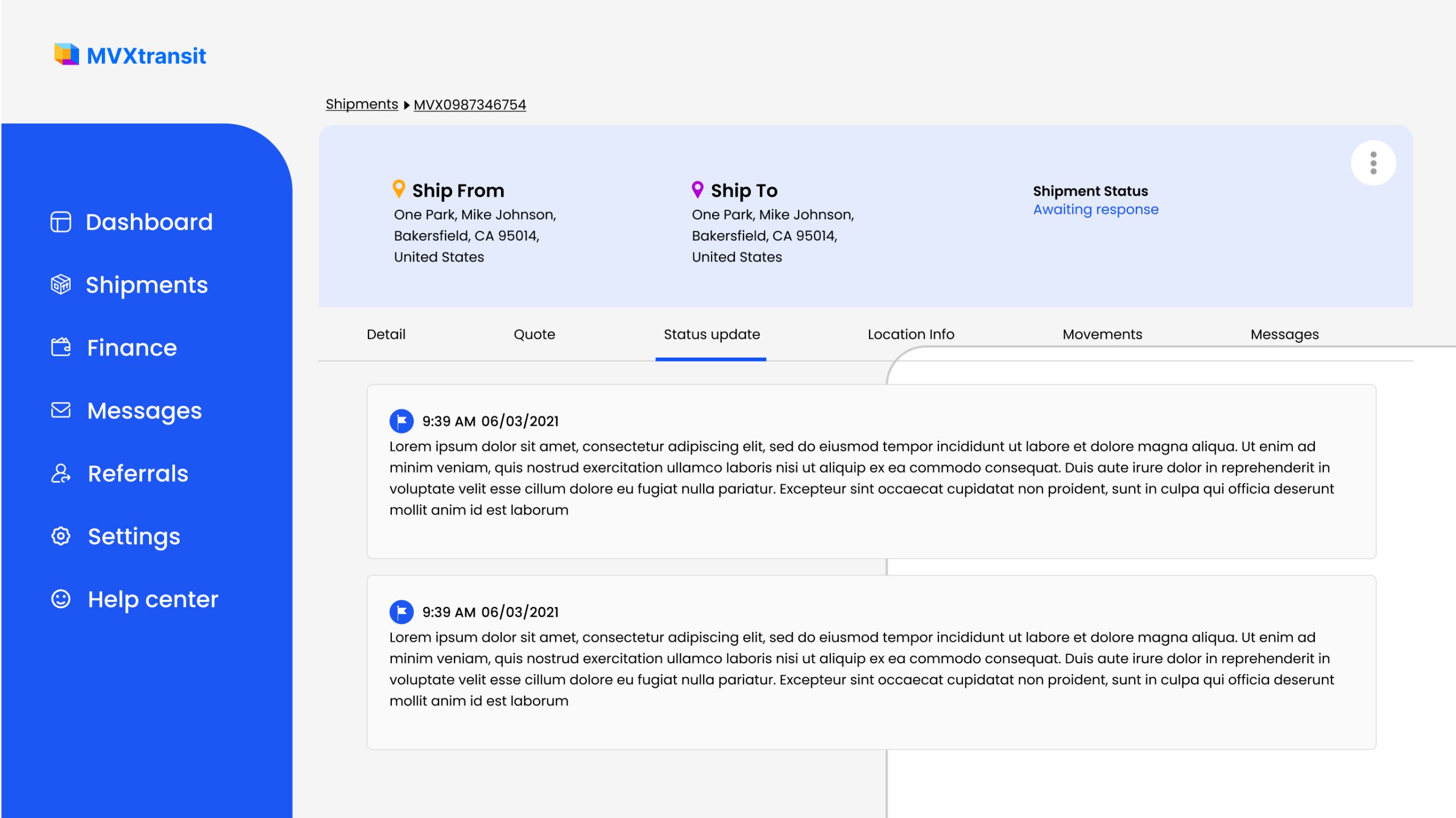
  5. Customer Support: A dedicated channel integrated into the dashboard.

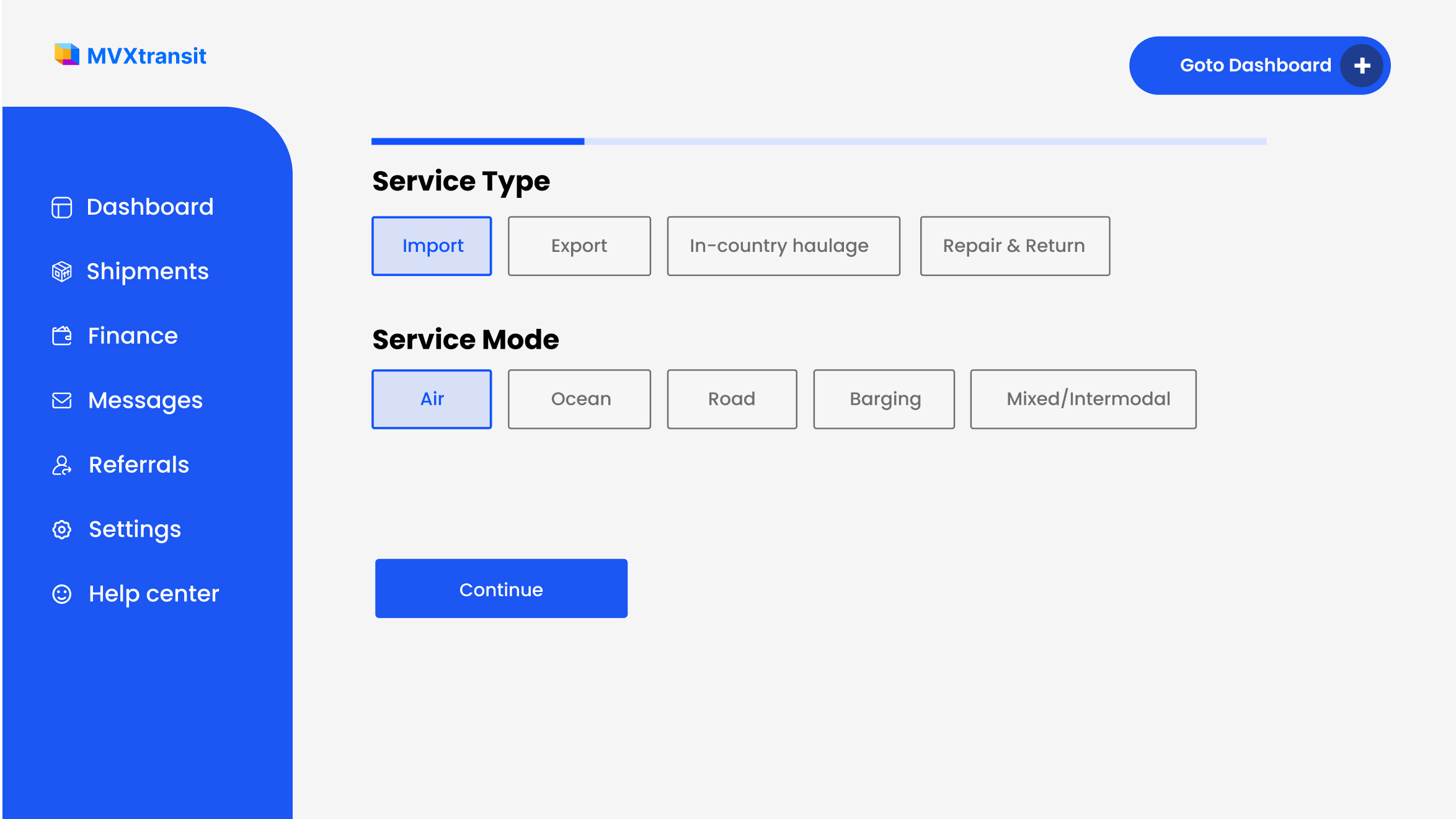
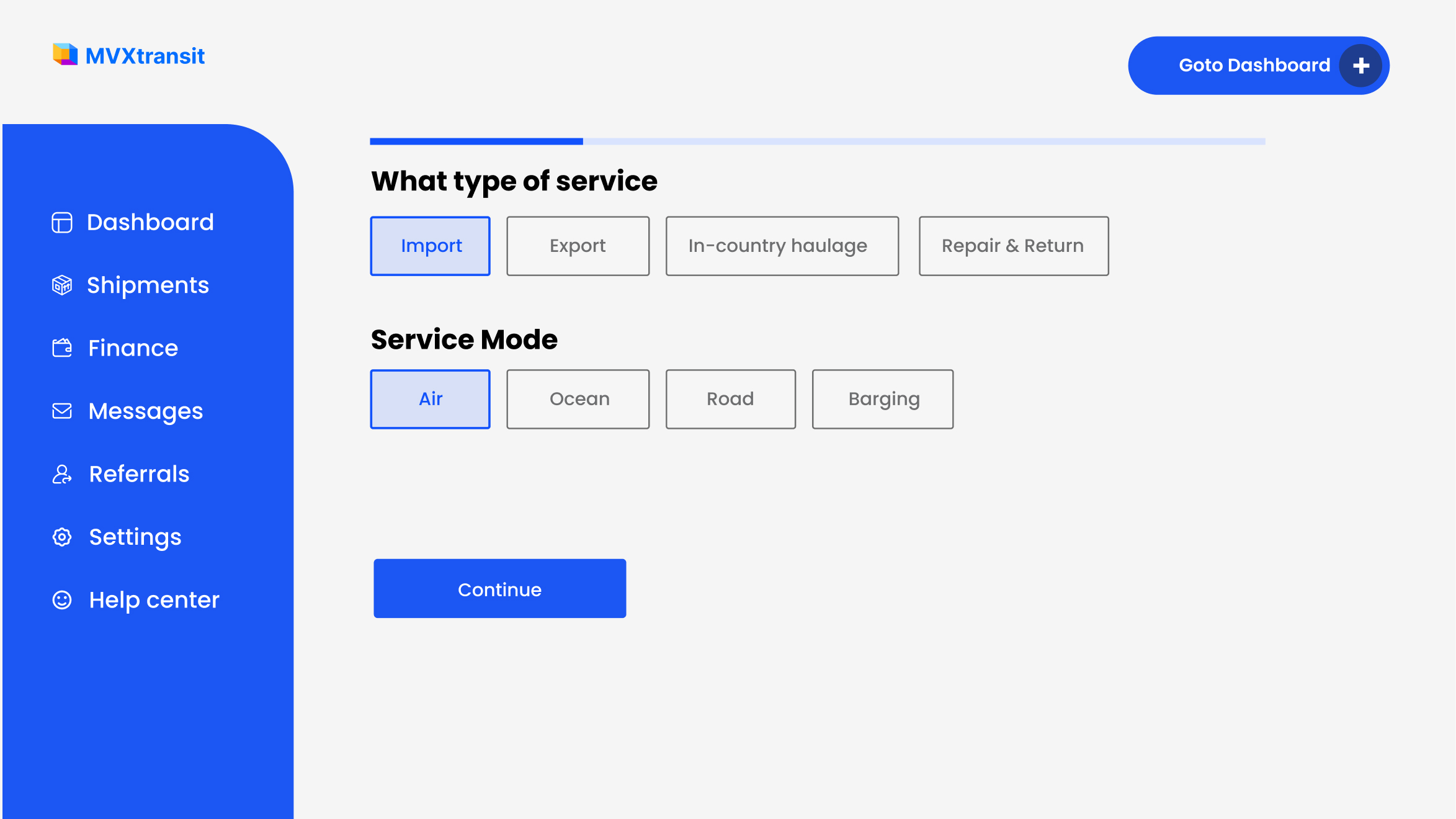
Shipment creation

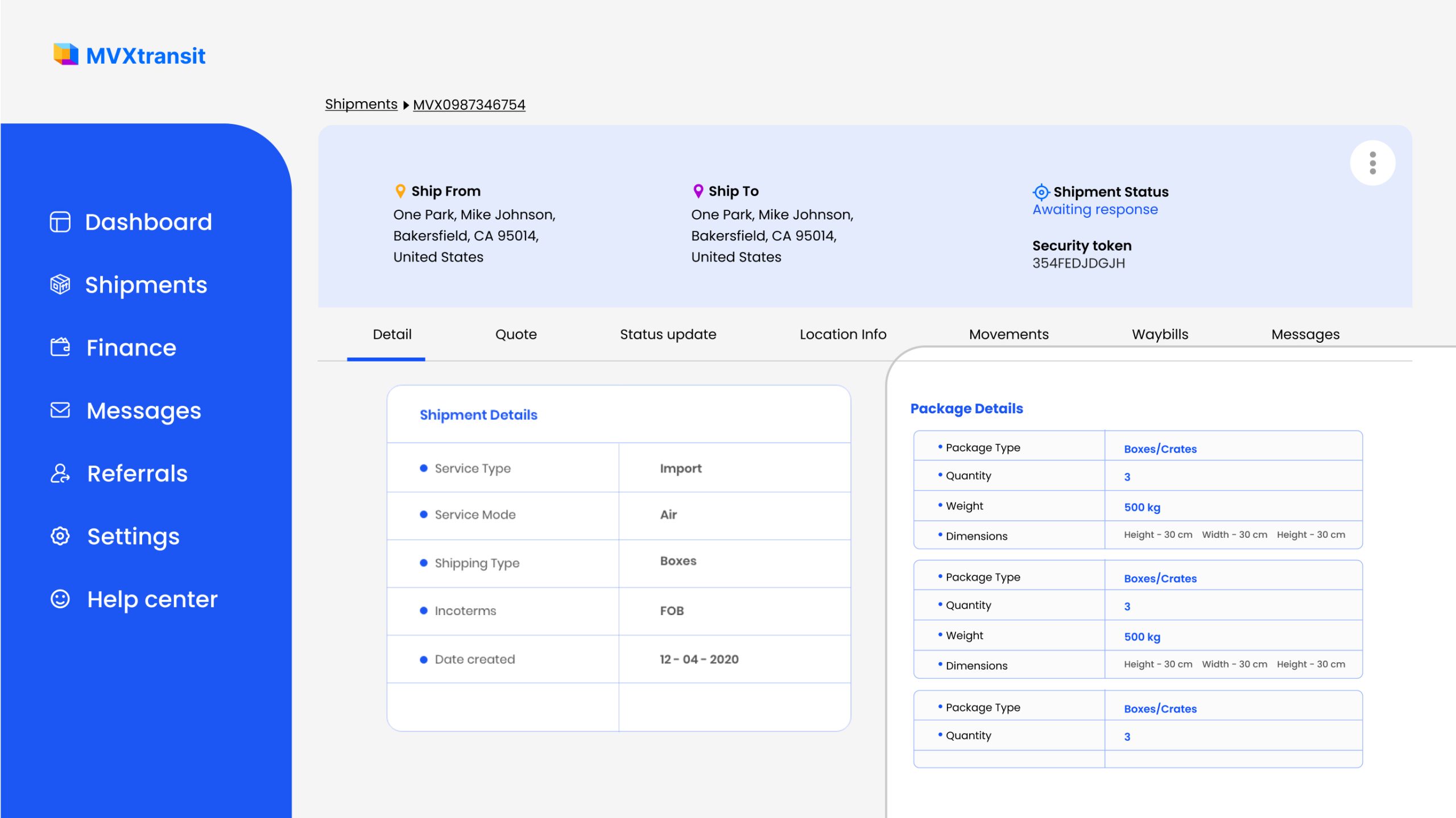
Shipment details

Shipment Tracker Dashboard

Test

Gathering Feedback

After development, we launched the MVP to a pilot group of users. Their feedback was encouraging:

  1. Merchants loved the clarity and ease of generating quotes.
  2. Live tracking was a game-changer for trust.
  3. They suggested improvements in the customer support feature, which we planned for future iterations.

Key Takeaways

This project taught me a lot:

  1. Designing for new industries: I had to quickly learn logistics and adapt design principles to a complex space.
  2. Balancing ambition with feasibility: Prioritizing with an Effort–Impact matrix was critical to delivering an MVP.
  3. Collaboration matters: Working closely with engineers and stakeholders improved both design quality and execution speed.
  4. User-centric focus wins: By anchoring decisions on user pain points, we created a product that genuinely solved problems.

Looking back, the most rewarding moment was seeing merchants use the platform and say, “This makes my business so much easier.”

Scroll to Top